


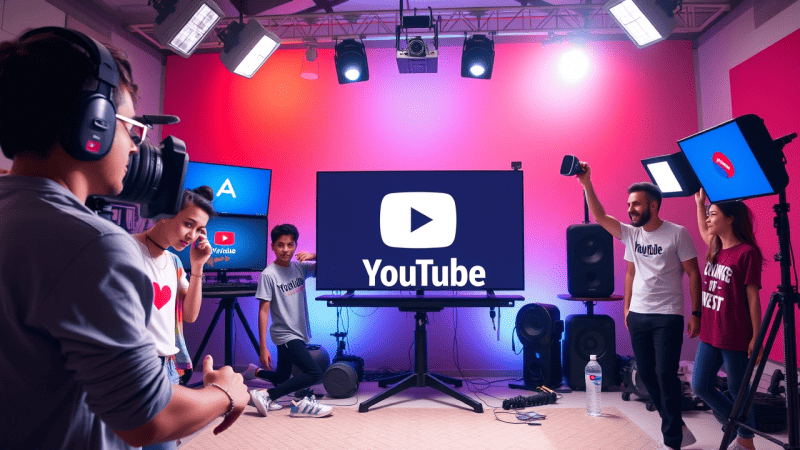
In the endless stream of content, your channel risks getting lost in the noise. Users scroll through feeds at lightning speed, and to hook them, useful information alone isn't enough. Recognition is the key factor that makes viewers stop on your video without even reading the title. It's the instant association of visuals, sound, or style with your brand.
Achieving this level of recognition isn't a matter of luck—it's the result of strategic planning. It's a system of visual and audio elements working consistently together. This guide breaks down the specific steps to create and implement these elements: from logos and color palettes to intros, editing templates, and unified presentation style. You'll discover how to make your channel visually and audibly unique, helping it stand out from the crowd and remain memorable.
Visual Recognition Strategy
In content-saturated digital spaces, visuals serve as your primary attention hook. This is the first thing potential viewers see and forms the foundation of instant brand association. Strong visual identity functions as your channel's face, making it memorable among competitors. Without strategic visual design, even the most valuable content risks going unnoticed.
Essential Recognition Elements:
Logo and Avatar Development Your primary visual symbol should be simple, readable even in thumbnail format, and reflect your content's essence. Focus on scalability and immediate comprehension across all platform touchpoints.
Strategic Color Palette Define 2-3 primary colors and 1-2 accent colors connected to your logo or thematic focus. This creates visual consistency and subconscious brand recall across all content formats.
Brand Typography System Select 1-2 clear, highly readable fonts—one for headlines, another for body text. Typography consistency reinforces professional credibility and enhances viewer experience.
Unified Graphics and Animation Style Establish consistent graphic styling: minimalism, flat design, or other approaches matching your channel's tone. Create reusable templates for recurring elements—intros, transitions, lower thirds, end screens.
Consistent application of logos, colors, fonts, and graphic templates forms your channel's visual grammar. This isn't decoration—it's a system for instant content recognition by your audience.
Channel Voice Architecture
Audio serves as your invisible yet powerful recognition tool. While viewers scroll through feeds, audio elements first capture attention and create brand associations before visual processing occurs.
Critical Audio Identity Components:
Strategic Intro Development Create a short (3-7 seconds) memorable jingle or sound logo accompanied by branded graphics. Use this at the beginning of every video without exception. This becomes an instant recognition trigger, signaling your content's start.
Structured Outro System Develop templates with branded background music—either extending your intro jingle or using thematic tracks—combined with graphics and clear calls-to-action for maximum engagement conversion.
Curated Background Audio Select music precisely matching your channel's tone—energetic, calm, epic. Utilize consistent sound libraries and characteristic sound effects for transitions or emphasis points.
Voice and Delivery Standards Define key voice characteristics—pace, timbre, intonation patterns—and maintain them across all content. Clear articulation, comfortable volume levels, and noise-free audio form the foundation of professional perception.
The integrated system of intro, outro, background sounds, and stable voice delivery creates comprehensive audio identity. This isn't background filler—it's an active tool for managing attention and viewer emotions. Regular implementation of these elements makes your channel recognizable even with closed eyes.

Production Template Systems
Content consistency forms the foundation of recognition, but achieving it requires significant time investment. Production templates solve this challenge by accelerating video creation while guaranteeing unified style. These are ready-made frameworks for recurring tasks—from filming to publication. Template utilization transforms chaotic processes into streamlined systems, saving resources while strengthening brand identity.
Essential Template Categories:
Filming Template Standards Create standardized setups for frequent scenes: lighting configurations, camera angles, background selections, and presenter positioning. Develop equipment setup checklists for pre-recording preparation.
Editing Template Architecture Design clear video structure frameworks, such as intro → problem → solution → conclusion → outro. Save project templates in your editor with ready-made transitions, titles, and color correction settings.
Thumbnail Template Systems Define preview styling standards: text placement, font selections, color palette application, face and object usage patterns. Create template files in graphic design software for rapid implementation.
Metadata Template Frameworks Utilize proven title formulas for consistent performance. For descriptions, establish structured formats—brief preview, timestamps, links, calls-to-action, hashtag strategies.
Filming, editing, thumbnail, and metadata templates form your content production framework. They don't limit creativity—they liberate time for it while ensuring stable quality and style unity. Regular template usage makes video production a predictable process and your channel professionally recognizable.
Content Style and Delivery Optimization
Visuals and audio capture attention, but communication style and information delivery cement your channel's image in viewer memory. Consistent stylistic approach makes videos predictably yours, even without logo presence. Without this, channels lose individuality and audience trust.
Core Style Components:
Tone Definition Strategy Clearly articulate your audience communication approach—expert restraint, friendly engagement, ironic commentary, energetic drive. Tone must align with subject matter and target demographic expectations.
Delivery Consistency Framework Rigorously maintain chosen tone across all videos, descriptions, and comment interactions. Avoid dramatic shifts; consistent delivery builds trust and recognition at the intonation level.
Language and Lexicon Standards Use language appropriate for your target audience. Define acceptable complexity levels for terminology, slang, and humor integration. Monitor speech clarity, articulation, and comfortable delivery pace.
Unique Delivery Differentiation Identify distinguishing presentation elements—signature segments, specific editing techniques, unique topic analysis structures, branded audience interaction patterns.
Value-Focused Structure Implementation Every video should solve specific problems or provide clear benefits. Utilize comprehensible structures, minimize filler content, maximize practical value delivery.
Your stylistic approach and delivery aren't just words—they represent your brand's essence. They transform information streams into memorable audience dialogue. Invest in refining tone, delivery methods, and unique presentation techniques. This creates emotional connections and makes channels genuinely recognizable and valuable to viewers.

Technical Quality and Consistency Standards
Inconsistent video and audio quality destroys trust and distracts from content substance. Minimum standards are mandatory for all content: stable resolution (Full HD), absence of dramatic exposure shifts, clean audio without background noise or echo. Utilize basic tools:
- Tripod or stabilization equipment
- External microphone systems
- Recording settings with bitrate reserves
Monitor volume levels—excessively loud or barely audible audio is unacceptable. This isn't about expensive equipment—it's about technical discipline.
Technical parameter stability represents an invisible yet critical style component. Quality fluctuations between videos disorient viewers. Create baseline setting templates for recording and editing:
- Color correction presets
- Noise reduction configurations
- Audio normalization levels
Strict adherence to these standards creates familiar, predictable viewer experiences. This generates subconscious professionalism perception and strengthens overall channel recognition.
Strategic Implementation Summary
Channel recognition isn't accidental—it's the result of systematic work on visual, audio, and stylistic identity development. The key to success is consistency. Unified logos, colors, fonts, intros, outros, background sounds, editing templates, thumbnail styles, and delivery approaches create comprehensive brand images that audiences instantly recognize. Without this system, even the most valuable content gets lost in feeds.
Start with foundational elements: implement basic components and strictly maintain them across all content. Gradually add new templates and refine communication styles. Regularly test and analyze which elements drive recognition effectiveness. Remember: strong brands are built on predictable quality and unique approaches that make your content indispensable to viewers.
Implementation Roadmap:
• Establish core visual identity elements
• Develop consistent audio branding systems
• Create comprehensive template libraries
• Define and maintain delivery style standards
• Monitor technical quality benchmarks
• Continuously optimize recognition factors