


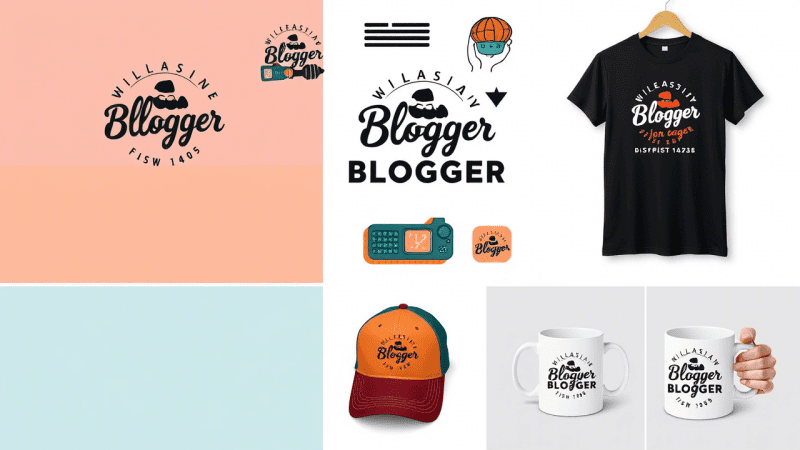
Merchandise is everywhere. Concert t-shirts, coffee shop tumblers, branded tote bags – these aren't just products. Quality merch enables people to express their values, demonstrate community belonging, and forge personal connections with brands or creators. The growing demand for custom products directly reflects this desire for self-expression.
Whether you're a musician, YouTuber, nonprofit, or small business owner – creating your own merchandise opens new opportunities. It strengthens audience connection and generates additional revenue streams. This guide will show you how to create not just branded items, but sought-after quality merch that your fans and customers will genuinely value.
Strategic Benefits of Creator Merchandise
A t-shirt from your favorite band, a bag with a blogger's logo, a branded tote from a beloved creator. People don't purchase these arbitrarily. Quality merch gives audiences the opportunity to express themselves, support you, and feel connected. The benefits for you are equally compelling:
Revenue Diversification. Merchandise sales represent income stream diversification, reducing dependence on single monetization channels – crucial for sustainable YouTube growth.
Brand Recognition Enhancement. Your logo or design on people's belongings creates walking, free advertising. Each use reinforces brand presence in viewers' minds.
Audience Loyalty Development. Merch creates belonging sentiment. People wear it with pride, strengthening their connection to you and your community.
However, to leverage these advantages effectively, your merchandise must be memorable and genuinely desired by your target audience.
Creating High-Demand YouTube Merch
The benefits of creator merchandise are clear. But how do you make it memorable and desirable? Not just branded products, but items people actually want to wear and showcase.
Establish Clear Brand Identity
Your merchandise represents your brand's visual embodiment. For maximum recognition impact, you need defined brand identity. Visual focus elements:
Logo Development. Primary logo plus simplified versions for small details and embroidery applications.
Color Specifications. Not just "blue," but precise Pantone, HEX, and CMYK codes for consistent printing across all materials.
Recognizable Imagery/Symbols. Your unique visual character, pattern, or symbol that audiences instantly associate with your channel.
Typography Standards. Primary and secondary font selections that align with your brand personality.
Catchphrases and Hashtags. Verbal elements that have become part of your visual identity code.
Why does this matter? Without clear visual core elements, merchandise loses impact. It won't be uniquely associated with your channel. To make merch your authentic representation, implement these strategies:
Existing Brand Guidelines? Conduct thorough review. Verify logo currency and accuracy. Ensure used colors precisely match declared codes. Confirm font application consistency.
Brand Identity Still Developing? Focus on foundational elements. Select one primary logo. Create simplified version for small applications. Define core palette of 2-3 colors with exact codes. Choose 1-2 clear fonts for headers and body text. Identify key visual symbols, even simple ones.
Document Everything. Compile all approved elements and usage rules into one reference document. This could be a PDF file or Figma document. This becomes your design law for all merchandise decisions.
Clear brand identity equals instant merch recognition. Merch recognition strengthens overall brand presence. Without this foundation, creating memorable products becomes significantly more challenging.
Understanding Your YouTube Audience
Your merchandise will only sell if it addresses audience needs. Fans, subscribers, customers – who do you envision as purchasers? Deep analysis is mandatory. Ask these critical questions:
- Who specifically will purchase this merchandise?
- Where and how do you communicate with them (social media, events, website)?
- What do they value most about your content?
- What shared interests/values unite them?
- Which of your unique phrases, jokes, or catchphrases have become iconic for them?
Don't guess – ask your audience directly:
Social Media Polling. Create clear "either-or" polls, such as "Which design better – A or B?", "T-shirt color: black or olive?", "Hoodie style: with kangaroo pocket or without?"
Direct Feedback Collection. Ask: "What merch would you actually buy?", "Preferred logo placement – t-shirt, hoodie, tote bag?", "What was your last t-shirt purchase?"
Audience Empowerment. Launch design contests. Let subscribers submit their concepts. Participation creates emotional investment and guarantees demand.
You'll gather data for perfect merchandise while increasing engagement. Your audience sees their opinions matter. Merchandise should solve their specific needs.

Selecting Production Partners
Your ideal merchandise requires reliable partners. Three primary approaches:
Local Print Shops. Advantages – supporting local business, personalized service, unique printing technologies. Disadvantages – higher minimum orders, more complex logistics management.
Print-on-Demand Services. You upload designs, companies print and ship products only after orders and payment. No initial investment or inventory required. You receive royalties from sales. Available options include services like Printful, Teespring, or Redbubble.
Full-Service Agencies. Develop designs, manage production, organize shipping. Suitable for larger creators. Always review contracts carefully, especially regarding design rights ownership.
Optimal choices are the latter two options. Print-on-Demand (POD) represents the best launching choice, requiring minimal investment. However, if you have extensive market reach, full-service agencies might be preferable.
Product Selection Strategy
Product range is crucial – don't spread too thin. Base decisions on audience data:
- What do they wear/use? Analyze social media photos and survey responses.
- Where will they use the merchandise? Daily life, sports, events.
- What problems does the product solve? Convenience, style, supporting your channel.
Popular Category Examples:
Basic Merch. T-shirts, hoodies, tote bags.
Practical Items. Socks, thermal mugs, phone cases.
Fan Favorites. Pins, stickers, caps.
Consider usage context. When and where will audiences wear or use your merchandise? Seasonality matters: thermal mugs are relevant in winter, bucket hats in summer. Don't ignore trends: demand for eco-materials or oversized fits can determine product success. These aren't minor details – they're sales factors.
Design Development Process
You can create designs independently, hire professional designers for unique complex prints, or customize existing templates – this approach is quick and budget-friendly.
Pre-Production Checklist:
- Create realistic mockups (product photo demonstrations)
- Verify size and placement across different product types (t-shirts, hoodies, mugs)
- Ensure all elements are visible and readable
Design determines everything. Quality merch becomes a belonging symbol people want to wear. Poor design creates just another branded item.
Merchandise Marketing and Sales Strategy
Excellent design represents only half the equation. Now you need to sell your merchandise. Marketing requires strategic approach and consistent action. Systematic methods transform fans into buyers, converting loyalty into revenue.
Primary objectives: establish sales channels, break through social media noise, create genuine demand.
E-commerce Platform Setup
Your merchandise needs a digital home. Create an online store. This doesn't require a separate website – it could be a store on a print-on-demand platform. This provides unified sales point with secure payment processing. Customize the store to match your brand. Add logos, brand colors, clear descriptions. Use high-quality product photography. Without convenient purchasing options, sales remain chaotic.
Bio Link Optimization
Direct your audience to your store. Place links in all social media profiles. Goal: one click from interest to shopping cart. Don't make people search for purchase options.
Social Media Marketing
Social platforms are your primary tools. Plan content in waves and announce launches early. Maintain interest during mid-campaign periods. Create final urgency before closing.
Show real people wearing your merchandise – yourself, fans, friends. Integrate merch into regular content naturally: streaming in hoodies, stories with branded mugs. Encourage audience to share photos with campaign hashtags.
Offline Presence
Don't ignore real-world opportunities. Participate in local events, markets, festivals. Your visibility and direct interaction builds trust. This creates direct sales paths and valuable feedback. Be present where your audience gathers.
Creating Urgency
People purc hase items they might lose. Create scarcity. Launch time-limited discounts, release limited collections – artist collaborations, returning favorites for one week. If fundraising, be honest and specific: "Every purchase feeds shelter animals. New puppies arrived yesterday – they need food now." Remember: dishonesty destroys trust.
Targeted Advertising
If budget allows, use targeted advertising. But only on platforms where your audience definitely exists – don't scatter efforts. After initial momentum, organic reach and word-of-mouth often suffice.
Marketing requires the same attention as design. Without systematic approach and consistent effort, even the best merchandise remains unsold. Start small, analyze results, scale successful channels. Sales result from your persistence.
Implementation Framework for Effective Merchandise
Creating memorable merchandise isn't magic – it's systematic execution. From clear brand identity and deep audience understanding to platform selection, strong design, and aggressive marketing.
Every step matters:
- Weak brand identity – merchandise lacks recognition
- Undefined audience – products won't sell
- Poor design – people won't want to wear it
- Quiet launch – sales failure
Follow this formula:
Foundation. Recognizable brand + audience knowledge
Quality. Thoughtful products + professional design
Momentum. Convenient sales point + consistent marketing
Take Action. Don't wait for perfect conditions. Start small: choose 1-2 products, create concise design, launch store, and notify your audience. Test, gather feedback, scale successful elements.
Your merchandise represents a tool for revenue, loyalty, and influence. Maximize its potential through strategic implementation and consistent execution.